Mold Resistance Test for Cloth Tape: GB/T 2423.16, IEC 60068-2-10 and ASTM G21
How mold-resistance tests for tape are specified (GB/T 2423.16, IEC 60068-2-10, ASTM G21) and the five lines an RFQ for mold-resistant cloth tape must state.
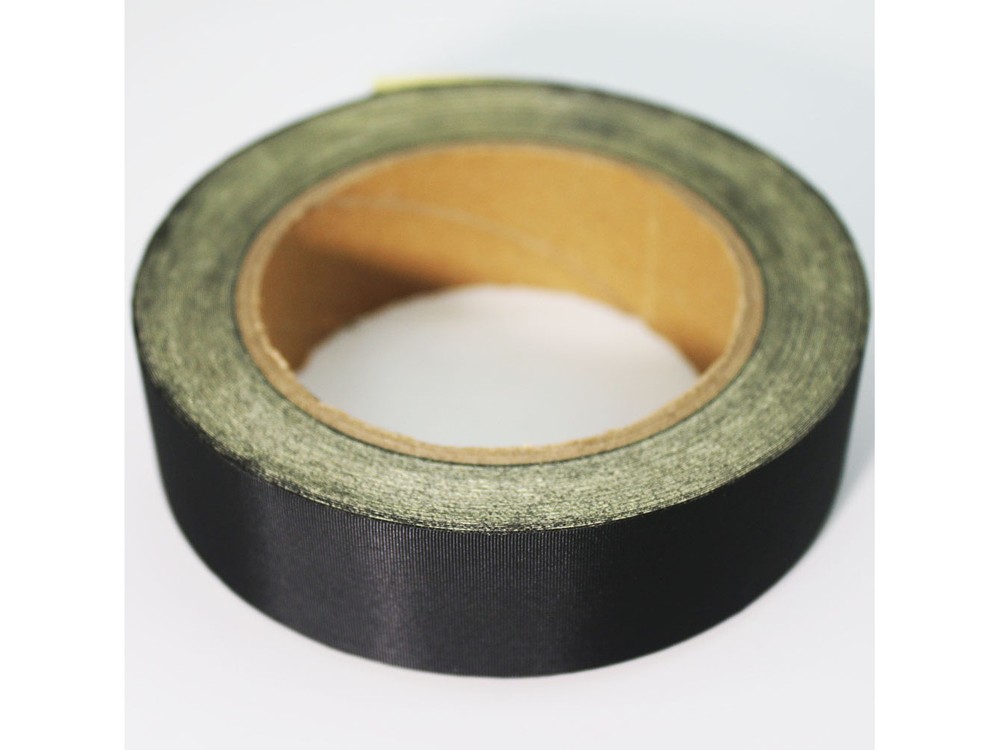
Short answer: mold resistance of a tape is not a property you can read off its name. It is a result of a named test, on a named specimen, for a stated duration, rated against a stated scale. Three methods appear in most specifications, and which one your project uses is a decision for your drawing or customer. For our own mold-resistant cloth tape, K75110-00, the test method can be agreed per project requirement; no test report for that model is published on this site yet, and we do not state that it has passed any of the methods below.
Why cloth tape on a harness grows mold at all
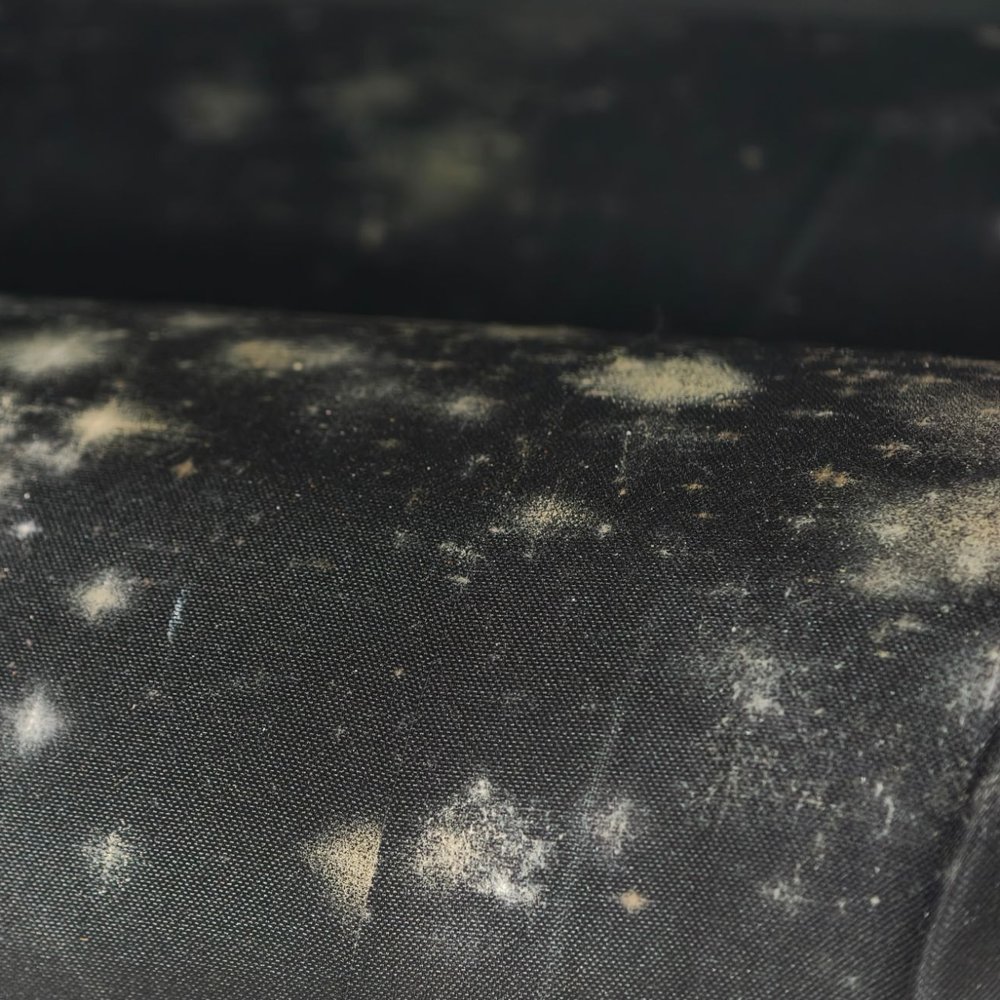
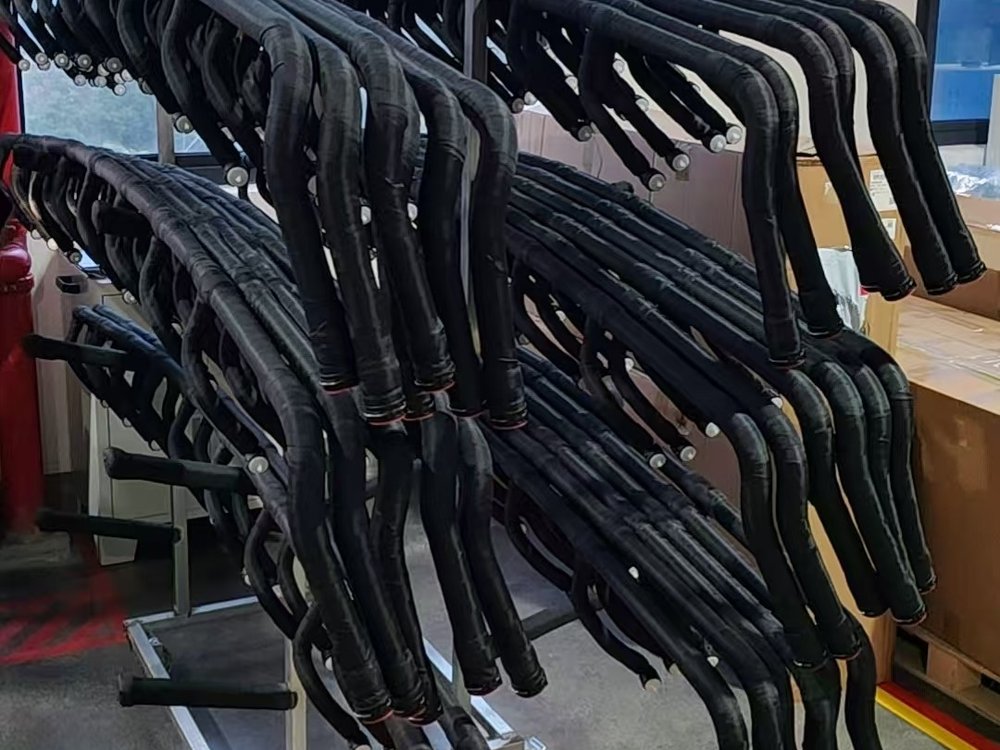
Mold needs moisture, a suitable temperature and something to feed on. A wrapped harness in warm, humid storage or sea freight has the first two. The third can be dust, oils, finger contact, fabric finishes or the adhesive itself. This is why the same tape can stay clean in one warehouse and spot in another, and why a test on the tape alone does not by itself answer for a whole packed assembly.
The three methods named in specifications
| Method | What it is | What you still have to specify |
|---|---|---|
| GB/T 2423.16 | Chinese national standard for the mold-growth environmental test (Test J). Used where a Chinese customer or drawing cites GB/T. | Edition, variant, duration, specimen, rating criterion |
| IEC 60068-2-10 | International standard for the same test (Test J, mold growth). The usual reference in export drawings. | Edition, variant, duration, specimen, rating criterion |
| ASTM G21 | Practice for determining the resistance of synthetic polymeric materials to fungi. A fungal mixture is applied to the specimen, which is incubated and then rated on a visual growth scale. | Edition, specimen, incubation period, acceptance rating |
These are descriptions of the methods, not of any product result. Always read the current edition your drawing cites: variants, durations and rating wording differ between editions, and the drawing, not this page, decides which one applies.
Five lines an RFQ for mold-resistant tape should contain
- Method and edition — for example “ASTM G21” with its year, not just “mold test”.
- Specimen — tape alone, tape on a named substrate, or a wrapped assembly.
- Duration and conditions — as the method defines them, or as your customer overrides them.
- Acceptance rating — the visual rating or growth limit that counts as a pass.
- Report scope — the report must name the model and its revision, the laboratory and the date. A report on a different construction is not evidence for the one you buy.
What we state, and what we do not
- Stated: K75110-00 is our mold-resistant cloth tape.
- Agreed per project: the test method, edition, specimen, duration and rating. We agree these with you before you rely on a grade.
- Not stated: any pass or rating under GB/T 2423.16, IEC 60068-2-10 or ASTM G21, and any datasheet figure for K75110-00 (the datasheet is not published on this site yet).
Validate on your own assembly
A tape rating does not replace a humidity and storage trial on the finished harness in its real packaging. Include it in the sample approval: agree the humidity and temperature profile, the duration, and the inspection criterion, then record the result against the lot. See also how to read a wire-harness tape datasheet and the automotive wire-harness tape page.
Send the requirement
Send the method and edition from your drawing, the specimen type, the duration and rating, and the humidity of the storage or shipping route. We say what we can agree to test, who tests it and what remains for you to validate. Export quotation, samples and document review go through EJOY, our Hong Kong sourcing arm.