How to Read a Wire Harness Tape Datasheet: What Actually Matters
A field guide to decoding an automotive wire harness tape datasheet — LV 312 temperature class, European abrasion class, backing and adhesive — so you specify the right tape the first time.
Two harness tapes can look identical and behave completely differently in the vehicle. The difference is on the datasheet — if you know which lines matter. Here is how an engineer reads one, top to bottom, and turns it into a spec a supplier can actually quote.
Line 1 — the temperature class (LV 312)
The single most important number is the LV 312 class, because it tells you where on the vehicle the tape can live:
- T1, −40 to +85 °C — passenger cabin / interior looms.
- T2, −40 to +105 °C — engine-bay periphery, deep dashboard.
- T3, −40 to +125 °C — the engine-bay core.
- T4, −40 to +150 °C — against the engine, turbo or exhaust.
If a datasheet quotes a temperature range but no LV 312 class, ask for the class — the standardised grade is what your drawing and your customer's audit will reference.
Line 2 — abrasion class (and why it's separate)
Temperature tells you nothing about how the tape survives rubbing. That's the European abrasion class (A through E, tested on a mandrel with an abrading needle). Under-hood looms usually need Class C or the tougher Class D. The classic mistake is assuming a high temperature class implies high abrasion — it doesn't. Read both lines, specify both.
Line 3 — backing material
The backing is why the numbers are what they are:
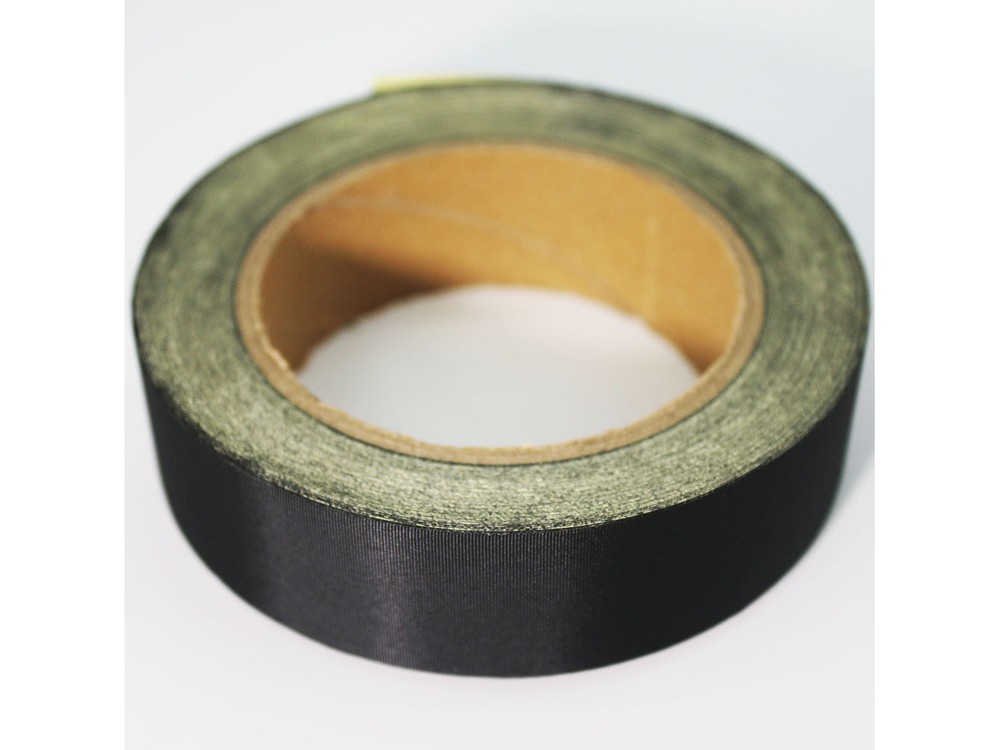
- PET (polyester) cloth — the all-rounder; strong abrasion, good heat, most under-hood work.
- PET fleece — soft and lofted, for noise damping (NVH) in the cabin, not abrasion.
- Acetate / PVC — thinner, for insulation and light bundling.
- Glass cloth — for the hottest zones a plastic backing can't survive.
Line 4 — adhesive and "unwind"
Adhesive type (rubber, acrylic) sets tack and temperature behaviour; the unwind force and whether the tape is hand-tearable decide how fast it runs on the assembly line. For high-volume looms, a clean hand-tear grade removes scissors from the station — a real productivity line item, not a nicety.
Line 5 — the compliance block
Finally, the flags your customer may require: UL 510 / UL 94 V-0 for flame retardancy, zero-halogen for low-smoke, and RoHS/REACH for materials. Specify these up front so the tape is qualified once.
Turn it into a one-line spec
Put the lines together and you get a request a manufacturer can quote immediately:
"PET cloth wire harness tape, LV 312 abrasion Class C, 125 °C, hand-tearable, 19 mm, black — UL 510A if near ignition."
That one sentence replaces three emails. Browse our automotive wire harness tapes — or send the zone and we'll turn it into the spec and ship samples.