Under-Hood Wire Harness Tape: Heat and Abrasion Guide
The engine bay is the harshest place in a vehicle for a wiring harness. A technical guide to choosing under-hood harness tape by LV 312 temperature class and European abrasion class.
Nothing tests a wiring harness like the engine bay. Between the block, the turbo and the exhaust manifold, temperatures swing from a cold-soak −40 °C to well over 125 °C, while vibration drags the loom against brackets, edges and each other for the life of the vehicle. Choose the wrong tape and it hardens, cracks or wears through — and a single chafed conductor can strand a car. This is a two-variable problem: temperature and abrasion, and you have to satisfy both.
Variable 1 — temperature: read the LV 312 class
Automotive harness tape is graded by LV 312 temperature class. For under-hood work you are almost always in the top two:
- T3, −40 to +125 °C — the core of the engine bay. The default for most under-hood looms.
- T4, −40 to +150 °C — right against the engine, turbo or exhaust shielding.
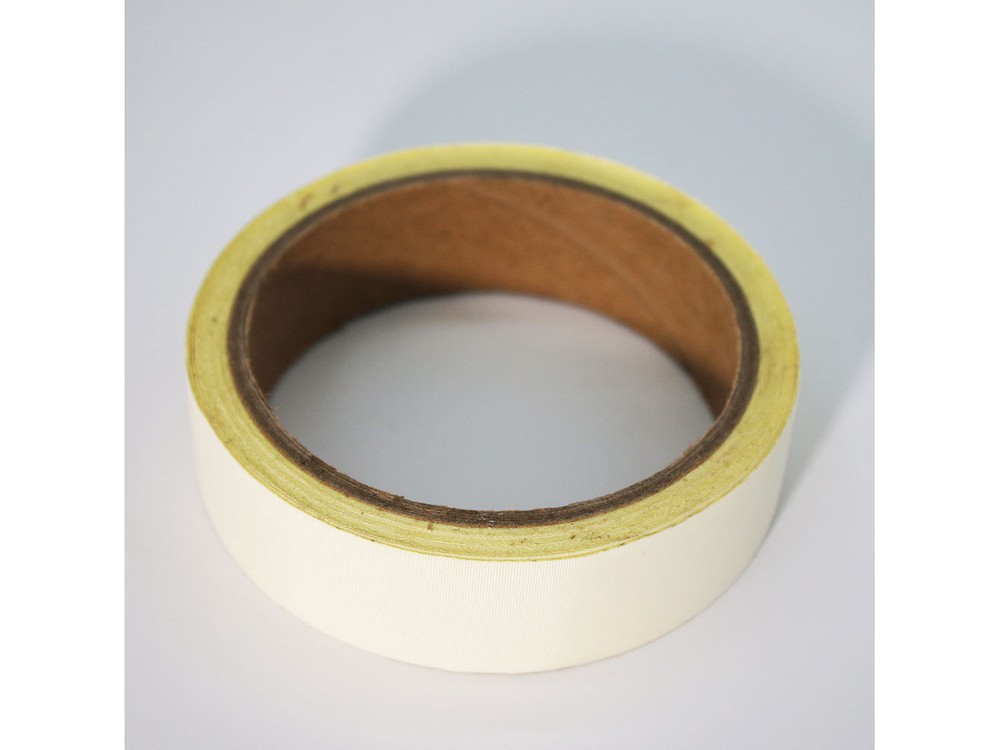
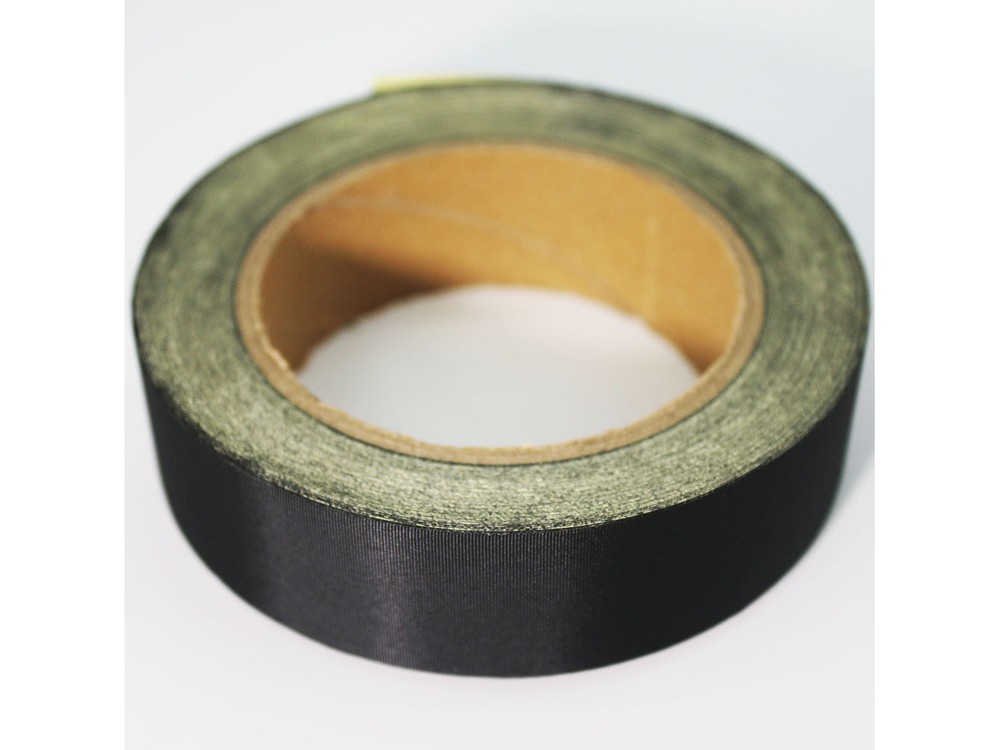
Woven PET (polyester) cloth tape is the workhorse for hot routing; for the hottest spots the backing moves to glass cloth, which shrugs off heat a plastic backing can't.
Variable 2 — abrasion: Class C vs Class D
Temperature class alone doesn't tell you how tough the tape is against rubbing. That's the European abrasion class, tested on a mandrel with an abrading needle:
- Class C — good abrasion resistance; standard under-hood protection.
- Class D — the highest class, for looms that rub hard against sharp edges or move constantly.
A common mistake is specifying only the temperature class and assuming abrasion follows. It doesn't — ask for both. A correct request reads: "PET cloth harness tape, LV 312 abrasion Class C, 125 °C, 19 mm." See our PET abrasion-resistant tape.
Zone the harness, don't over-spec the whole loom
You rarely need the toughest, hottest-rated tape on the entire harness — that adds cost and stiffness. The efficient approach is to zone it: 150 °C glass-cloth only where the loom passes the manifold, Class C/D PET through the bay, and a lighter hand-tearable grade once the harness reaches the cabin. Matching the grade to each section is how OEMs get a harness that survives the warranty without gold-plating every metre.
Don't forget noise and flame where they apply
Two extras often ride alongside the heat/abrasion spec: flame retardancy (UL 510 / UL 94 V-0) for looms near ignition sources, and, just past the firewall, NVH fleece to kill rattles in the cabin. State them up front so the tape is qualified once, not re-selected later.
A quick under-hood checklist
- Peak temperature of the zone → 125 °C or 150 °C grades
- How hard the loom rubs → pick abrasion Class C or D
- Near ignition sources? → add UL 510 / UL 94 V-0
- Backing: PET cloth to 125 °C, glass cloth above it
- Width, colour, volume → request samples and a quote
Because we make the base cloth and coating in-house, we can match temperature class and abrasion class in one grade and ship samples to validate. Tell us the zone and we'll confirm the tape.