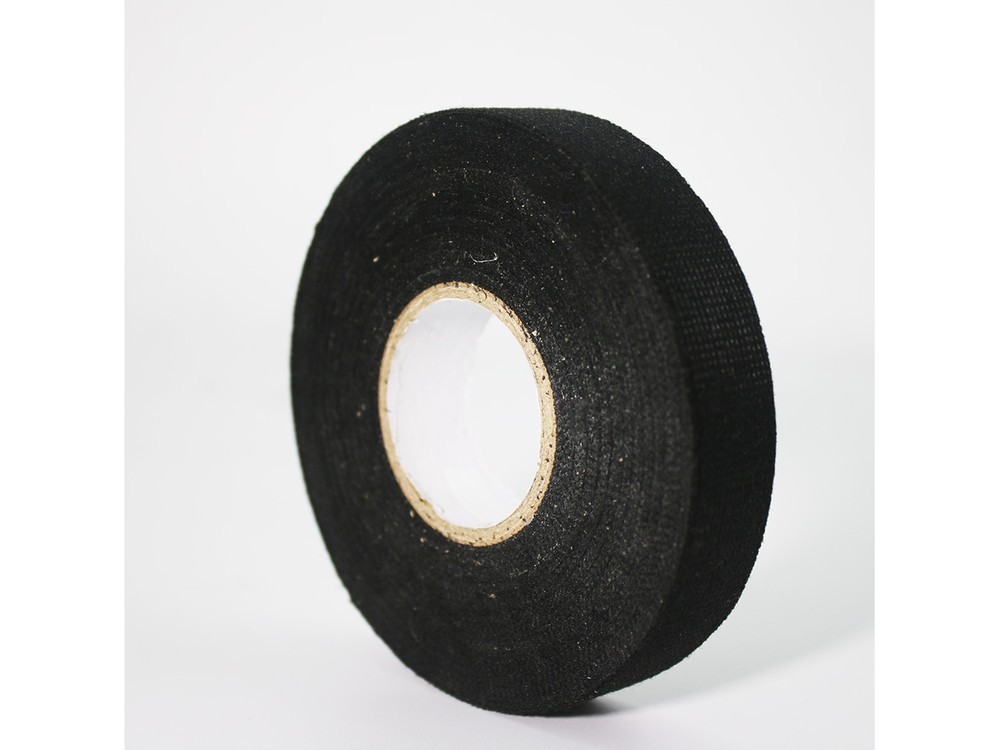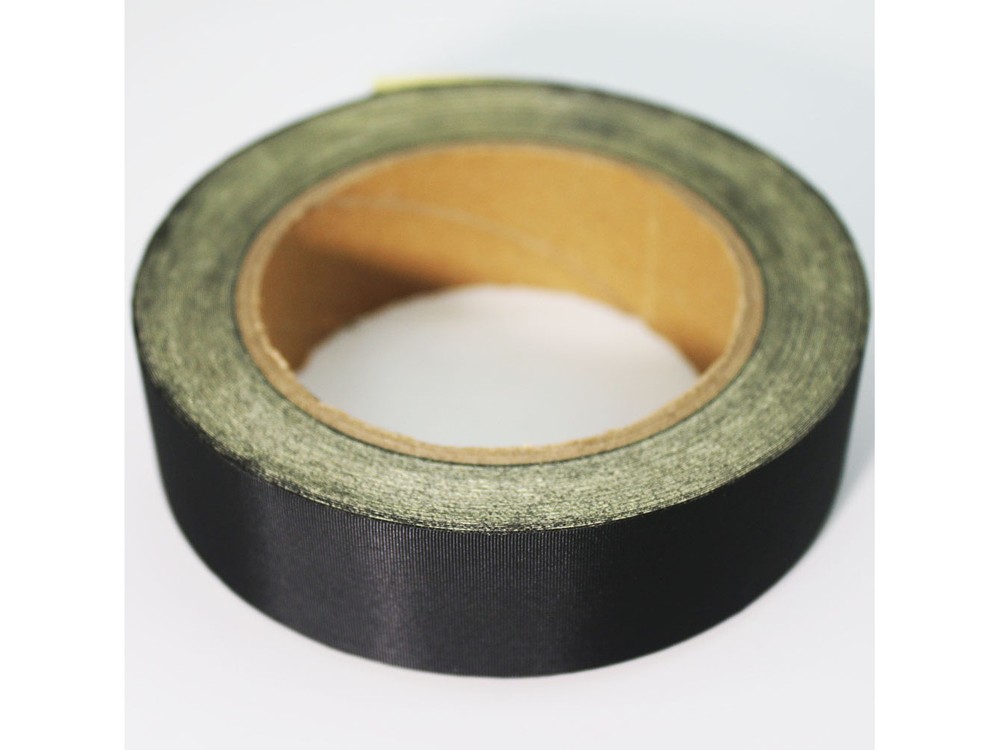
Cloth Electrical Tape vs PVC Electrical Tape: Which One for Which Job?
What cloth (fabric) electrical tape is, how it differs from PVC film tape, and what our datasheets state for acetate, nylon and PET cloth tapes.
Short answer: cloth electrical tape has a woven fabric backing; PVC electrical tape is a plastic film. Use cloth tape where you wrap and bundle wire harnesses, insulate transformer or motor windings, or need a clean hand tear; use a PVC film tape where the specification names one. Every figure below for our tapes is taken from a published datasheet.
What “cloth electrical tape” and “fabric electrical tape” usually mean
Buyers use both phrases for the same family: a pressure-sensitive tape on woven cloth. We make three kinds, and each has its own datasheet page.
| Cloth tape | Backing and adhesive | Thickness (datasheets) | Temperature | Flame retardant models |
|---|---|---|---|---|
| Acetate cloth tape (31 models) | Woven fibre cloth, acrylic adhesive | 0.12 – 0.22 mm | 80 °C | 12 of 31 |
| Nylon / polyamide cloth tape (11 models) | Woven polyamide cloth, acrylic adhesive | 0.08 – 0.15 mm | 80 °C | 5 of 11 |
| PET cloth harness tape (1 model, K75100-00) | Woven PET cloth, synthetic rubber adhesive | 0.16 ± 0.02 mm | −40 to +105 °C | Burn rate ≤ 100 mm/min as printed |
The acetate and nylon datasheets also state a withstand voltage of 1.5 kV on every model. The PET harness tape states no dielectric figure.
Cloth versus PVC: how the choice usually falls
| Question | Cloth tape | PVC film tape |
|---|---|---|
| How it is applied | Tears by hand along the weave on most acetate models, so it suits assembly lines | Film that stretches and is usually cut or torn with some effort |
| Typical job | Wire-harness wrapping, bundling, transformer and motor winding insulation | Insulating splices and joints, colour coding, where the specification names a PVC tape |
| Where the figures come from | Our datasheets (above) | The PVC tape’s own datasheet — do not read figures across |
| Standard to check | The one your drawing names; our UL 510A record covers type Z1V020 only | UL 510 covers specified PVC, polyethylene and rubber insulating tapes |
The honest summary: neither is better in general. The drawing, the temperature at the location and the flame requirement decide, and each of those has to be checked against the datasheet of the exact tape you are buying.
What to check before you switch from one to the other
- Temperature at the location against the datasheet figure (80 °C for our acetate and nylon cloth tapes).
- Flame requirement. Many cloth models are not flame retardant; pick from the flame-retardant models only if your specification asks for it.
- The standard on the drawing. UL 510, UL 510A and UL 94 V-0 are different documents. See what the UL 510A record covers and what the UL 94 V-0 test report shows.
- Application method. Hand-tear on a line or a clean cut with a blade. See hand-tearable cloth tape on an assembly line.
- Harness class. For vehicle harnesses, read how to read a wire-harness tape datasheet before you compare tapes.
Where to look next
Product pages: acetate cloth tape, hand-tearable fabric electrical tape, automotive wire-harness tape. For transformer and motor work see acetate cloth tape for transformer and motor insulation.
Send the requirement
Tell us the job, the temperature at the location, the flame requirement and the drawing standard. We name the model whose datasheet fits, say what it does and does not state, and send a sample of that model before you commit.