EMI Shielding Tape for EV Battery Modules: What to Ask Before You Specify
Nickel-copper conductive cloth tape: what the datasheets state (80 °C, not flame retardant, 50 mΩ or less), what they don't (dB), and what to ask a supplier.
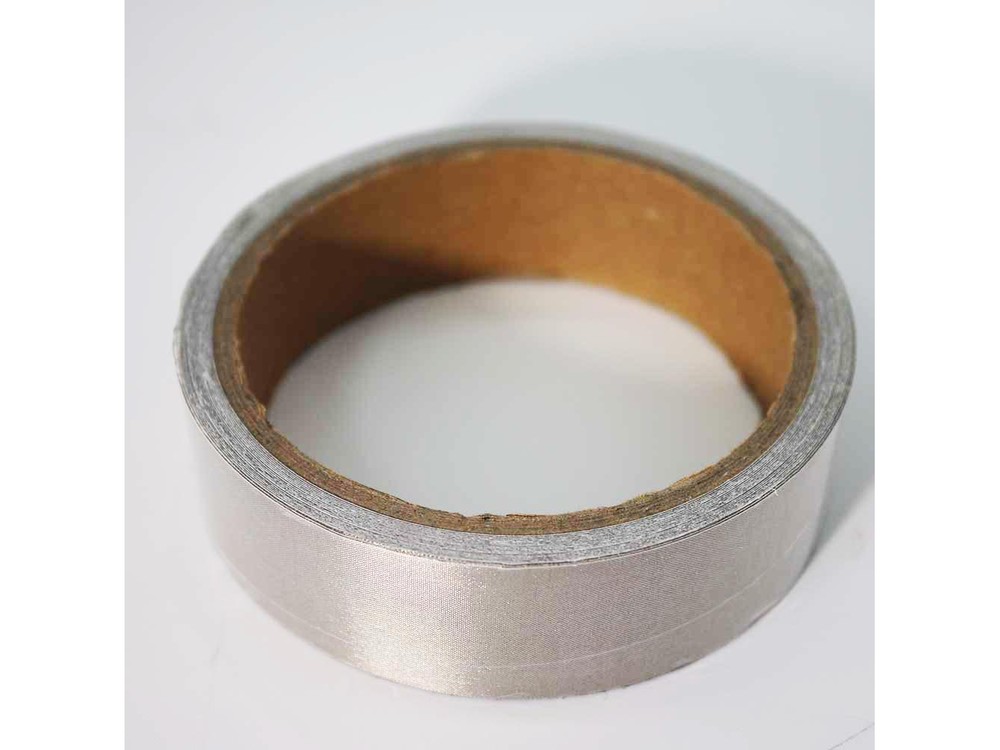
Short answer: Anhui Yijiayi Technology Co., Ltd. (brand ONEI) metallises its own conductive cloth in-house with nickel-copper by vacuum deposition and sells three conductive cloth tape models. Their datasheets give thickness, peel, holding power, 80 °C and not flame retardant, and for two of them a resistance of 50 mΩ or less. They do not give a shielding-effectiveness (dB) figure, and we do not quote one. This page lists what is documented and what to ask any supplier before you specify a shield near an EV battery.
What the three datasheets state
| Model | Thickness | Peel (180°) | Temperature | Flame | Resistance |
|---|---|---|---|---|---|
| EP208-2110SS | 0.08 ± 0.01 mm | ≥ 800 gf/inch | 80 °C | Not flame retardant | Quoted on the signed datasheet |
| EP212-2110SS | 0.11 ± 0.01 mm | ≥ 800 gf/inch | 80 °C | Not flame retardant | ≤ 50 mΩ |
| BEP212-2110SS | 0.11 ± 0.01 mm | ≥ 800 gf/inch | 80 °C | Not flame retardant | ≤ 50 mΩ |
Construction: plain-weave metallised conductive cloth with conductive adhesive; holding power 48 h or more; master roll 1270 mm, slit to your width. The full rows, with the revision date of each datasheet, are on the conductive cloth tape datasheets. A third-party RoHS and halogen report (SGS-CSTC, SZXEC26002546005_1, issued 7 May 2026, conductive fabric tape, construction-level) records RoHS pass and fluorine, chlorine, bromine and iodine not detected.
What is not documented
- Shielding effectiveness (dB) over frequency. No figure on any datasheet. If your specification needs one, it has to be measured to a named method and band on the construction you will buy.
- A flame rating. All three are stated as not flame retardant. If the location or the OEM requirement calls for one, these models do not meet it on paper.
- A temperature above 80 °C. Check the temperature at the mounting point, including charge and fault conditions, against the stated 80 °C.
Questions to ask any shielding-tape supplier
- What is the shielding effectiveness, in dB, over which frequency band, to which test method, on which construction?
- How is contact resistance measured — method, area, pressure — and is the figure on a datasheet?
- Is the adhesive conductive through the thickness, or does the tape only shield across its face?
- Does the metal plating suit the mating metal (aluminium, copper, steel) without a galvanic problem over the life of the pack?
- What temperature and flame requirement applies at the location, and does the datasheet meet it?
Wrapping versus shielding
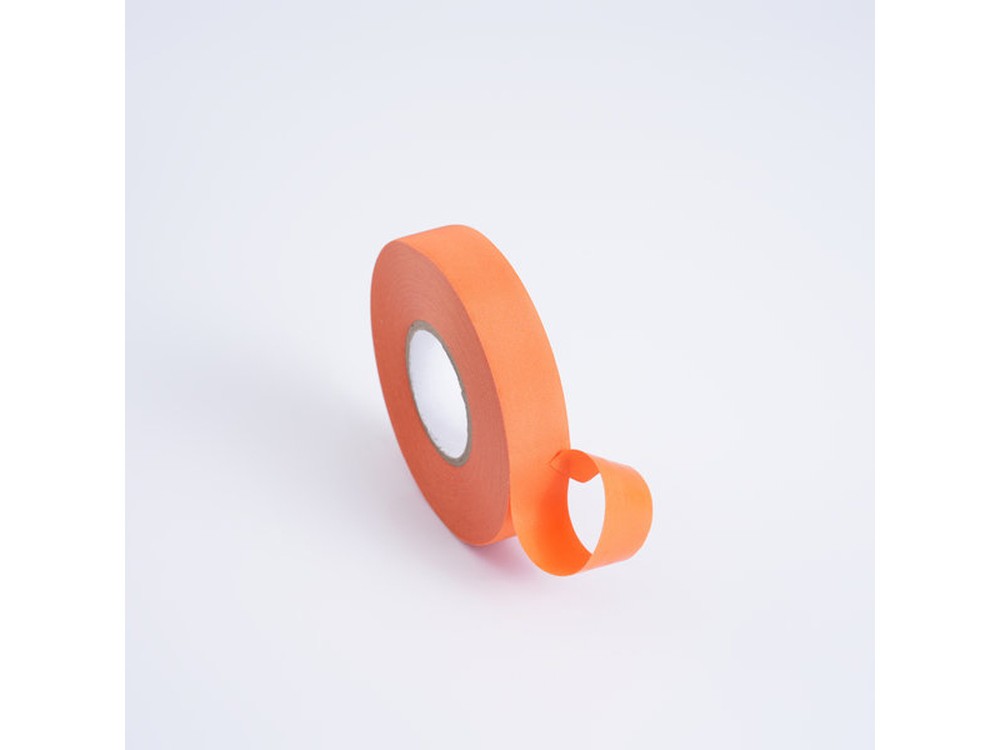
High-voltage cable inside an EV is normally wrapped and identified with orange tape; that is a different job from shielding. See EV high-voltage harness tape and the orange EV tape. For the shielding side, see how conductive fabric tape works and the conductive & EMI shielding tapes.
Send the requirement
Give us the frequency band and level you need, the mating metals, the temperature at the location and any flame requirement. We say which construction fits, what we can document today and what would need to be tested, before you commit to a sample.